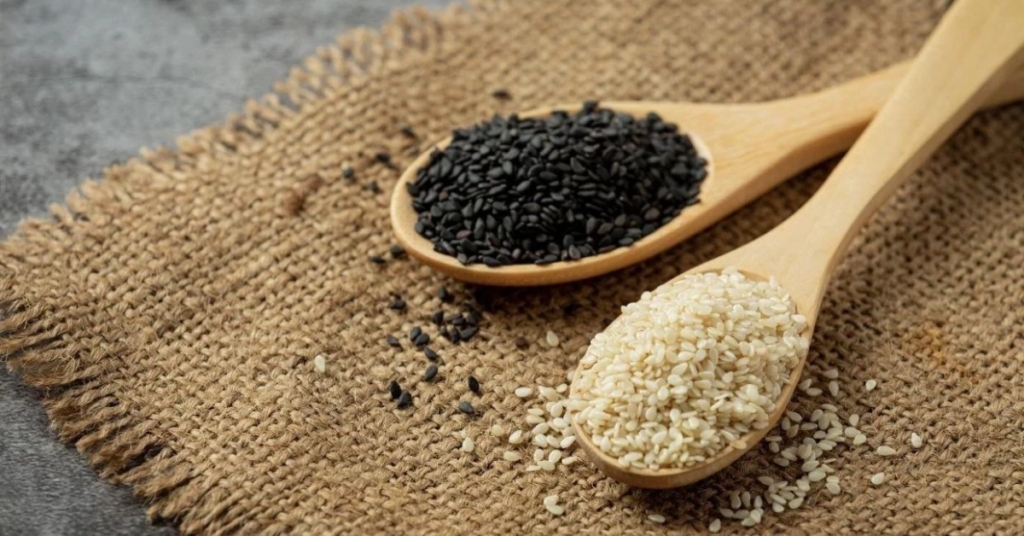
Discover 7 powerful health benefits of sesame seeds, their nutrition facts, potential side effects, and easy ways to add them to your daily diet.
Introduction
Sesame seeds are the tiny freeloaders of your kitchen. They sit on burger buns, hide in your hummus, and nobody gives them a second thought. I used to be the same. Then I looked up what’s actually inside them, and I felt a little bad for ignoring them for so long.
Sesame seeds come from the Sesamum indicum plant, and people have been eating them for thousands of years. Don’t let the size fool you. Gram for gram, they pack in healthy fats, protein, fiber, and minerals like calcium and magnesium. That’s why they’re called nutrient-dense: a small amount gives you a lot of nutrition.
In this guide, you’ll get the nutrition facts, 7 sesame seeds benefits worth knowing, a black vs. white showdown, how much to eat, easy ways to use them, and who should be careful. Let’s get into it.
Sesame Seeds Nutrition Facts
Here’s the quick look. One tablespoon (about 9 grams) of whole, dried sesame seeds gives you roughly this:
| Nutrient | Approx. amount per tablespoon |
|---|---|
| Calories | 50 to 55 |
| Protein | 1.5 to 2 g |
| Fiber | 1 to 1.5 g |
| Fat | 4.5 g (mostly unsaturated) |
| Calcium | Up to 80+ mg (unhulled) |
| Magnesium | About 30 mg |
| Iron | About 1 mg |
| Zinc | About 0.7 mg |
Numbers vary a bit by brand and type, so check the label on your pack.
So yes, they’re calorie-dense for their size. But most of those calories come from healthy fats, and you only need a spoonful or two. Think of them as a sprinkle with a résumé.
Source: USDA National Nutrient Database for Standard Reference. Values are approximate and refer specifically to whole, dried sesame seeds. Different varieties and processing methods may change the nutritional composition.
Sesame seeds contain several nutrients that contribute to normal body functions:
- Calcium: Helps maintain healthy bones and teeth.
- Magnesium: Supports normal muscle, nerve, and energy functions.
- Iron: Helps the body produce hemoglobin, which carries oxygen in the blood.
- Zinc: Supports immune function and normal wound healing.
- Protein: Provides amino acids needed for growth and tissue maintenance.
- Dietary fiber: Helps support normal digestion.
Although sesame seeds are nutritious, they are also calorie-dense. A moderate serving is generally easier to incorporate into a balanced eating plan than large amounts.
Source: USDA Food Composition Database.
7 Powerful Health Benefits of Sesame Seeds
1. May Support Heart Health and Healthy Cholesterol Levels
Most of the fat in sesame seeds is unsaturated, the kind your heart generally likes better than saturated fat. They also contain plant compounds called lignans, such as sesamin.
Some small studies have found that eating sesame seeds or using sesame oil was linked with lower total and LDL (“bad”) cholesterol. That sounds great, but the studies are small and short. So treat sesame as a helpful team player in a heart-friendly diet, not a cholesterol cure.
2. Helps Support Strong and Healthy Bones
Your bones love calcium, magnesium, and phosphorus, and sesame seeds have all three. Here’s the catch most people miss: hulled seeds (the pale ones with the outer shell removed) have much less calcium than unhulled seeds. If bone support is your goal, unhulled is usually the better pick.
Still, seeds alone won’t build a skeleton. Pair them with other calcium sources, movement, and enough vitamin D.
3. Supports Healthy Digestion and Gut Function
Sesame seeds bring dietary fiber, which helps keep things moving. Fiber also feeds the friendly bacteria in your gut.
Here’s a trick I like: whole seeds can pass through you mostly untouched, so grind them (or use tahini) to make the nutrients easier to absorb. Stir ground sesame into oatmeal, yogurt, or soups. And drink enough water, because fiber without water is just a traffic jam.
Read our complete guide on Daily Walking for Weight Loss.
4. May Help Support Healthy Blood Sugar Levels
Fiber and healthy fats slow down how fast your body absorbs sugar from a meal. That’s the basic reason sesame seeds may help with blood sugar balance.
Some early clinical studies have shown promising results, but the research is still emerging and not every study agrees. If you manage blood sugar, talk with your doctor before changing your diet. Sesame is a nice add-on, not a replacement for your plan.
5. Provides Antioxidants That Help Protect Cells
Your body deals with oxidative stress every day from pollution, stress, and even normal metabolism. Antioxidants help fight back.
Sesame seeds contain sesamin and sesamolin, lignans with antioxidant activity. Black sesame seeds also have extra pigment compounds in their dark coat. Most of this research is in labs and animals, so we can’t promise specific human results. Still, it’s a good reason to keep them on your plate.
6. May Help Support a Healthy Inflammatory Response
Long-term, low-grade inflammation is linked to many health problems. Some studies suggest sesame compounds may help calm certain inflammation markers.
Now the honest part: much of this work comes from animal studies or small human trials. It’s promising, not proven. Sesame works best as one piece of an overall healthy eating pattern.
7. Provides Nutrients That Support Healthy Blood Pressure
Magnesium helps your blood vessels relax, and diets rich in magnesium, potassium, and calcium are linked with healthier blood pressure. Sesame seeds supply some of that magnesium, plus lignans and healthy fats that may play a supporting role.
A few tablespoons won’t replace your medication or a low-salt diet. But steady, small habits add up.
Check out our detailed article on Can You Lose Weight Fast With Paleo?.
Black vs. White Sesame Seeds: Which Is Healthier?
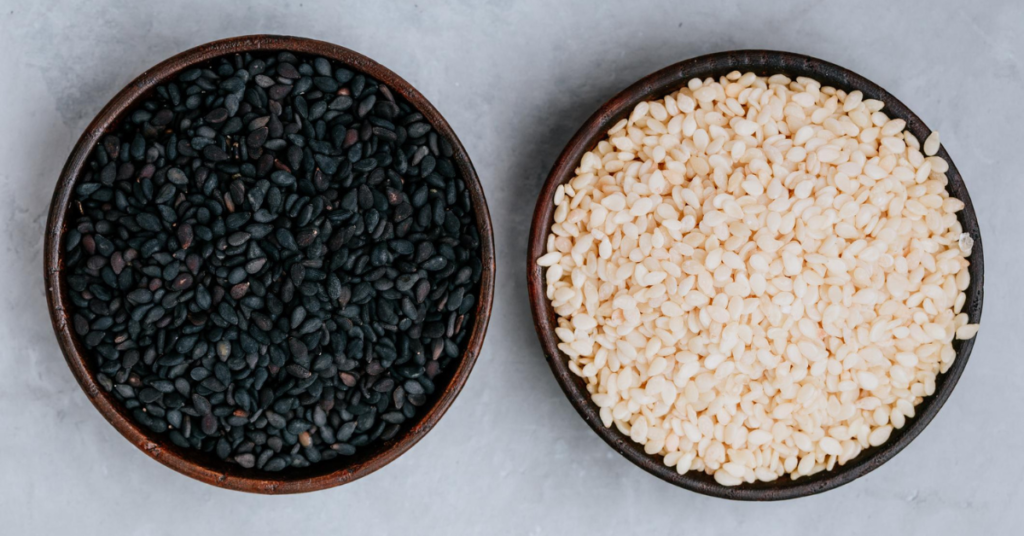
Short answer: both are good. They differ more in flavor and texture than in nutrition.
| Black sesame | White sesame | |
|---|---|---|
| Flavor | Stronger, earthy, slightly bitter | Milder, nutty, sweeter |
| Often sold | Unhulled (with the coat on) | Hulled or unhulled |
| Antioxidants | Extra pigment compounds in the dark coat | Still has sesamin and sesamolin |
| Best for | Desserts, porridge, rice dishes | Baking, dressings, tahini, buns |
If you want the most minerals, pick unhulled seeds in either color. Honestly, the “healthier” one is the one you’ll actually eat.
Which should you choose?
Both varieties can be part of a healthy diet. Instead of choosing based only on color, check whether the seeds are hulled or unhulled and consider their nutritional composition.
There is not enough reliable human evidence to claim that black sesame seeds are universally healthier than white sesame seeds.
Nutritional facts
- Sesame seeds contain fiber.
- They provide unsaturated fats.
- They contain minerals such as calcium, magnesium and iron.
How Much Sesame Seeds Should You Eat Daily?
There’s no official daily number. A common, practical range is 1 to 2 tablespoons (about 9 to 18 grams) a day. That gives you the nutrients without piling on too many calories.
Start small, see how your stomach feels, and build up. More isn’t always better. Seeds are rich, and your gut may complain if you go from zero to a whole handful overnight.
7 Easy Ways to Add Sesame Seeds to Your Diet

- Sprinkle them on salads, avocado toast, or stir-fries.
- Blend into smoothies (ground works best).
- Make or buy tahini and drizzle it on veggies or mix it into hummus.
- Toast and crush them over rice or noodles.
- Stir into oatmeal or yogurt.
- Coat chicken or fish in sesame before baking.
- Bake them into bread, crackers, or energy bites.
Find detailed insights in our article on Spirulina vs Moringa difference.
Potential Side Effects and Who Should Be Careful
Sesame is healthy for most people, but not everyone.
- Allergy: Sesame is one of the major food allergens in the U.S. Reactions can be serious. If you’ve had one, avoid sesame and read labels closely.
- Digestive upset: Too much fiber too fast can cause gas or bloating.
- Medications: Sesame may affect blood sugar or blood pressure. If you take medication for either, check with your doctor.
- Calories: They add up quickly if you eat them by the handful.
When in doubt, ask a doctor or registered dietitian who knows your health history.
Frequently Asked Questions
What happens if you eat sesame seeds every day?
For most people, a small daily amount (1 to 2 tablespoons) is fine and adds fiber, healthy fats, and minerals. Too much may upset your stomach.
Are sesame seeds good for you?
Yes, for most people. They offer healthy fats, protein, fiber, and minerals, as long as you don’t have a sesame allergy.
Are black sesame seeds healthier than white?
Not dramatically. Black seeds are often unhulled and have a few extra antioxidants, while unhulled white seeds also give you plenty of minerals.
Can sesame seeds help lower cholesterol?
Some small studies suggest they may help, but the evidence is limited. Use them as part of a heart-healthy diet.
Are sesame seeds good for digestion?
Their fiber supports regular digestion. Grinding them helps, and so does drinking water.
Should you eat sesame seeds raw or roasted?
Both work. Roasting boosts flavor and aroma. Lightly toasting is a nice middle ground. Grinding either one improves nutrient access.
Can sesame seeds cause allergies?
Yes. Sesame is a recognized major allergen in the U.S., and reactions can be serious.
Conclusion
So, here’s the recap. Sesame seeds may support your heart, bones, digestion, blood sugar, antioxidant defenses, inflammatory response, and blood pressure. Not bad for something you used to brush off your bun.
Keep it simple: choose unhulled when you can, grind them for better absorption, aim for 1 to 2 tablespoons a day, and stay balanced. Sesame seeds are a helper, not a miracle.
Your turn: Try adding one spoonful to your next meal this week, then tell me in the comments how you used them. And if you found this guide useful, share it with someone who still thinks sesame seeds are just bun decoration.
This article is for general information and isn’t medical advice. Talk to your healthcare provider before making big changes to your diet.
Medical Disclaimer
This article is intended for educational and informational purposes only. It is not a substitute for professional medical advice, diagnosis, or treatment. The health effects discussed are based on available nutritional information and scientific research, which may have limitations. Individual nutritional needs vary. Consult a qualified healthcare professional or registered dietitian before making significant dietary changes, particularly if you have an existing medical condition or food allergy.
About the Author
Machhindra Jadhav – Health Content Writer
I am a health content writer with four years of experience in health niche blogging. I focuses on creating accessible, informative, and research-informed content covering nutrition, fitness, healthy eating, and everyday wellness.
My goal is to help readers understand health topics through clear explanations, credible references, and practical information.
For more health and nutrition articles, visit MJ Health Blog.