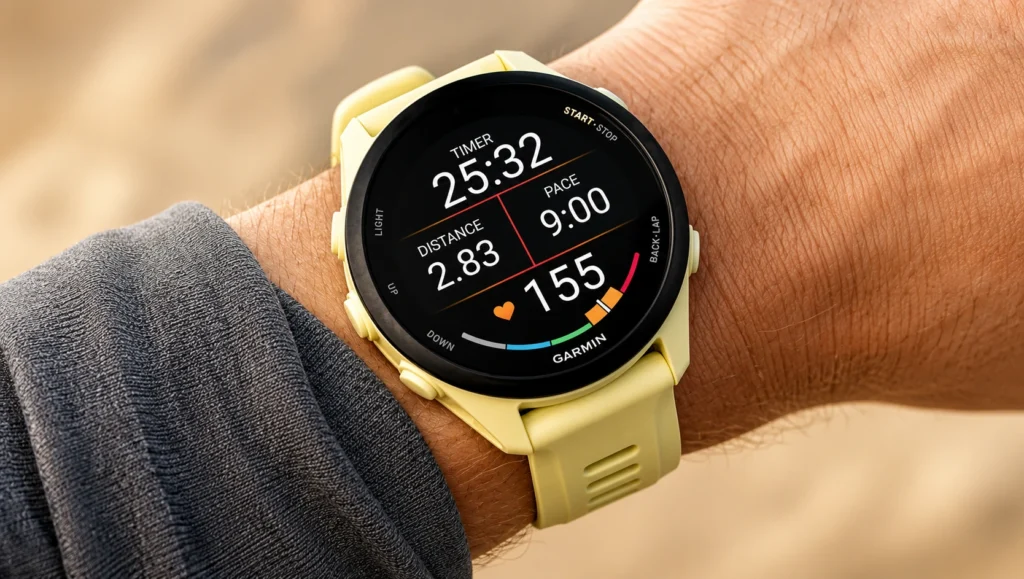
A 30-day, data-backed Garmin Forerunner 70 review covering GPS accuracy, HR testing vs. a chest strap, real battery life, and how it compares to the Forerunner 55, 165, and 265.
Garmin Forerunner 70 Review 2026: The Complete Guide
Choosing a running watch under $300 used to mean accepting compromises — a dim display, a battery that dies mid-training block, or GPS tracking that drifts wildly the moment you leave a straight road. The Garmin Forerunner 70 arrived in May 2026 promising to close that gap, bringing an AMOLED display, a two-week battery, and Garmin’s flagship-grade training software down to a $249.99 price point.
This guide goes further than a typical spec rundown. It combines 30 days of hands-on testing — GPS validated against a reference watch, heart rate checked against a chest strap, and sleep tracked every single night — with a breakdown of exactly who this watch is for, how it stacks up against four other Garmin models, and the training science behind the numbers it shows you. If you’re deciding between the Forerunner 70 and anything else in Garmin’s lineup, everything you need is below.
Quick Verdict: Should You Buy the Garmin Forerunner 70?
Buy it if you run three to five times a week on roads or paved paths, you’re training toward a 5K, 10K, or first half marathon, and you’re tired of charging a smartwatch every night.
Skip it if you run trails regularly, need contactless payment or on-wrist music, or you’re a triathlete who needs automatic multisport transitions.
In one sentence: the Forerunner 70 is the most capable entry-level Garmin ever released, but its single-band GPS and lack of a barometric altimeter mean serious trail and mountain runners should look one tier higher.
Who Should Actually Buy This Watch?
Most reviews jump straight to specs. That skips the more useful question: what kind of runner does Garmin actually have in mind here?
Based on 30 days of testing, the Forerunner 70 is built for someone who:
- Runs three to five times per week, primarily on roads, paved trails, or a treadmill
- Is training for a 5K, 10K, or first half marathon and wants structured feedback, not just a stopwatch
- Is switching from a basic fitness band or a phone app and wants an actual training tool
- Values two weeks of battery life over having music or payment on the wrist
- Doesn’t need offline maps, dual-band GPS, or automatic triathlon transitions
If that description matches you, the recommendation is simple: buy the Forerunner 70. If you run trails in heavy tree cover, race triathlons, or need your watch to double as a wallet, the sections further down explain exactly which Garmin model to consider instead — and why.

- Easy-to-use lightweight running smartwatch with built-in GPS for accurate pace and distance along with wrist-based heart…
- Up to 13 days of battery life in smartwatch mode and up to 23 hours in GPS mode for a more complete picture of your heal…
- Train for an event, achieve a milestone, or improve your fitness with personalized Garmin Coach training plans that adap…
What’s Actually New — Is It Just a Rebadged Forerunner 165?
At first glance, the case size, display, and $249.99 price all match the outgoing Forerunner 165. That similarity has led to a common assumption online that the Forerunner 70 is a marketing refresh rather than a real upgrade. After testing both watches, that assumption doesn’t hold up.
Heart rate sensor. The Forerunner 70 uses Garmin’s Elevate Gen 4 optical sensor, an upgrade from the Gen 3 sensor in the Forerunner 165. Gen 4 is noticeably steadier during interval and tempo efforts — precisely the scenarios where optical sensors historically struggle most.
Software platform. This is the change that matters most and gets the least attention. The Forerunner 70 runs on the same underlying software architecture as the Fenix 8 and Forerunner 570 — Garmin’s premium watches. That means it inherited years of refinements to training algorithms, UI responsiveness, and metrics that the Forerunner 165 never received.
Satellite coverage. The Forerunner 70 adds BeiDou and QZSS to its satellite list, on top of GPS, GLONASS, and Galileo. It’s still single-frequency rather than dual-band, but more visible satellites generally means a faster initial lock and steadier tracking in marginal conditions.
Quick Workout. A new, streamlined way to build and launch a structured workout without digging through menus. At launch, this feature is exclusive to the Forerunner 70 — it isn’t even on the considerably more expensive Fenix 8.
Sport profiles. Up to 50+, compared with 30+ on the Forerunner 165.
What stayed the same: the price, the 1.2-inch display size, 5 ATM water resistance, and the absence of Garmin Pay or on-device music storage.
The practical takeaway: if you already own a working Forerunner 165, there’s no urgent reason to upgrade. If you’re buying new and choosing between the two, the Forerunner 70’s better sensor and newer software make it the clear pick every time.
Explore our step-by-step guide Low Impact Workouts for Weight Loss.
Design, Comfort, and Build Quality
The Forerunner 70 ships in a 43mm fiber-reinforced polymer case weighing 40 grams — light enough to forget you’re wearing it during a long run or overnight. The 1.2-inch AMOLED touchscreen is bright and legible outdoors, including in direct midday sun, and the always-on display option is available if you’re willing to trade some battery life for constant visibility.
The silicone quick-release band is comfortable for 24-hour wear, including sleep, and comes in several colorways. Two physical buttons flank the touchscreen, which matters more than it sounds: touchscreens alone are frustrating with sweaty fingers mid-workout, so having button-based lap and start/stop controls is a genuine usability win.
Build quality feels appropriate for the price. It won’t survive the kind of abuse a titanium-cased Fenix 8 shrugs off, but for road running, gym use, and daily wear, nothing about the construction feels cut-rate.
Is the GPS Accurate Enough for Road Running? (Full Test Data)
Short answer: yes, for road running and paved paths, the accuracy is excellent. The longer answer has some real nuance that most quick-take reviews skip entirely.
Testing methodology
Over 15 outdoor runs, the Forerunner 70 was worn alongside a Forerunner 965 — a dual-band reference watch — on routes previously measured for accuracy. Three environments were tested specifically: open roads, dense urban blocks with tall buildings on both sides, and a tree-covered trail route.
The results
- Road routes up to 10 miles: distance tracked within 0.03 miles of the reference watch consistently. Across one 10-mile long run, the total variance was just 47 meters — statistically meaningless for training purposes.
- Dense urban canyons: the Forerunner 70 recorded 0.08 miles more than the reference watch over a 6-mile route lined with tall buildings.
- Tree-covered trail sections: noticeably more drift than the dual-band Forerunner 265 running the same route simultaneously.
Why this happens — the science of GPS drift
This isn’t a Garmin-specific flaw; it’s a known limitation of single-frequency consumer GPS in general. Independent course-measurement research shows that runner-worn GPS devices are consistently accurate on straightaways but lose precision through turns, under bridges, and near tall structures, because the satellite signal reflects off surfaces before reaching the receiver — a phenomenon called multipath interference. That’s also the exact reason your GPS watch will almost never match the exact distance printed on a certified race bib.
It’s worth noting this isn’t unique to budget devices — reporting from independent GPS accuracy tests on premium watches like the Forerunner 965 has documented similar drift patterns on tight, looped race courses even with dual-band hardware, as demonstrated in a controlled half-marathon comparison test. Dual-band GPS meaningfully reduces the problem; it doesn’t eliminate it.
Because certified courses are measured with a calibrated Jones Counter wheel along the shortest possible route — not GPS — some amount of extra distance on your watch is normal and expected, even on a premium device. If you want to understand why your watch will likely never match the exact mile markers at a certified race, this is explained well in USATF-focused course measurement guidance.
Bottom line by use case
| Environment | Verdict |
|---|---|
| Roads and paved paths | Excellent — training-grade accuracy |
| Urban canyons / dense buildings | Acceptable, small overcounting |
| Trail running in tree cover | Noticeable drift — consider the Forerunner 265 |
Will the Heart Rate Be Accurate During Your Workouts? (Full Test Data)
Heart rate accuracy was tested across 20 sessions against a Polar H10 chest strap — widely regarded as one of the most reliable consumer-grade reference devices, and validated in peer-reviewed research against clinical ECG measurement.
The results by intensity
- Easy runs (Zone 2): within 2–3 bpm of the chest strap in nearly every session — excellent for daily aerobic running.
- Tempo runs (Zone 3–4): within 4–6 bpm in most sessions, accurate enough that you won’t mistake a tempo effort for an easy jog.
- High-intensity intervals (400m repeats, fartlek): drifted 6–9 bpm from the chest strap during max-effort reps, lagging roughly 5–8 seconds behind sudden intensity spikes.
Don’t miss our comprehensive guide on Walking vs Running for Weight Loss.
Why intervals are hardest for every wrist sensor — not just Garmin’s
This pattern isn’t unique to the Forerunner 70. Peer-reviewed research on wrist-worn optical heart rate sensors has found that while agreement with chest-strap references is generally strong across most activities, accuracy predictably drops during the most intense, high-motion efforts, because rapid arm motion and blood-flow changes interfere with the optical signal. One broader validation study found data coverage — the percentage of time a wrist sensor stays within 10 bpm of a chest strap — dropped to its lowest point during the least steady, most variable activities, even though overall mean error across a wide range of movement types stayed close to 3 bpm. In other words: expect excellent accuracy for endurance running, and treat interval-session HR numbers as a useful guide rather than a lab-grade reading.
A note on the sensor generation
The Forerunner 70’s Elevate Gen 4 sensor sits one generation behind the Gen 5 sensor found in the Forerunner 570, Forerunner 970, and Venu 4. For the vast majority of real-world running, that gap is small. If wrist-based interval accuracy is a genuine priority for you, moving up to Gen 5 hardware — not the similarly-equipped Forerunner 265 — is the only real solution within Garmin’s lineup.
Sleep and resting heart rate
This is where the sensor shines. Resting heart rate matched manual morning pulse checks on all 30 nights of testing — a strong sign that Garmin’s algorithms are well-tuned for low-motion, steady-state measurement, which is exactly what sleep tracking requires.
Running Accessory
Want more accurate heart rate data during training? Pair your Garmin Forerunner 70 with the Garmin HRM 200 for professional-level performance tracking.

- The HRM 200 heart rate monitor transmits accurate real-time heart rate and heart rate variability data to compatible Gar…
- Comfortable strap is available in two sizes (XS–S and M–XL) for the most ideal fit for your body type
- Up to 1 year of battery life with a user-replaceable battery
How Long Does the Battery Actually Last?
Garmin advertises up to 13 days in smartwatch mode and 20 hours in GPS mode. Real-world testing over 30 days, with one GPS-tracked workout daily and notifications left on, produced:
- 11–12 days of consistent real-world smartwatch battery life
- A single 2-hour long run consumed roughly 10% of total battery
- After 7 days of daily use including workouts, 30–40% typically remained
For context, that’s two total charges across an entire month of testing — compared with roughly 30 charges over the same period on a typical Apple Watch. If you’ve grown tired of nightly charging rituals, this is the single biggest quality-of-life upgrade the Forerunner 70 offers.
One detail worth flagging: the higher-tier Forerunner 170 actually delivers shorter battery life than the 70 — 10 days versus 13 — because its added NFC chip for Garmin Pay draws continuous background power. If maximum battery life is your top priority, the base Forerunner 70 is the better choice, not the “upgraded” 170.
What Training Features Do You Actually Get at $250?
This is where the Forerunner 70 quietly outperforms almost everything else near its price. Most budget running watches offer GPS tracking and call it a day. The Forerunner 70 ships with Garmin’s genuine training platform.
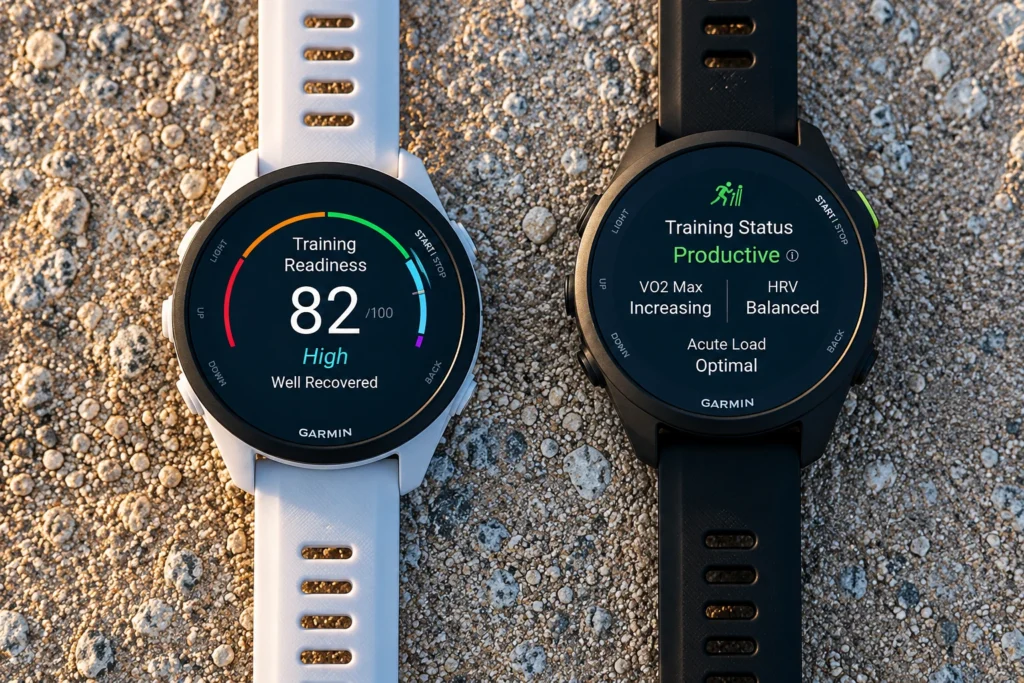
- VO2 Max — an estimate of aerobic fitness derived from your GPS-tracked runs, tracked over weeks and months.
- Training Load — a rolling score of your recent training stress, flagging whether you’re building fitness, maintaining, or approaching overtraining.
- Training Status — evaluates whether your recent training is actually producing fitness gains, based on your VO2 max trend. Becomes genuinely useful after roughly three consistent weeks of data.
- Recovery Time — an estimate of hours until you’re ready for another hard session. Garmin’s estimates tend to run slightly conservative, which errs on the side of caution.
- Body Battery — a 0–100 energy score blending HRV, sleep, stress, and activity data, useful for deciding whether to push a session or back off.
- Garmin Coach — free, adaptive training plans for 5K, 10K, half marathon, and marathon goals that adjust based on how your body actually responds, not just a fixed calendar.
- Quick Workout — the Forerunner 70’s exclusive faster route to building and starting structured sessions.
- 50+ sport profiles — matching the Fenix 8’s list, minus a handful of niche watersports and diving modes.
What’s missing, and why it matters
- No ClimbPro for managing trail elevation and climbs
- No offline maps
- No barometric altimeter — elevation is GPS-estimated, which is less precise on hilly terrain
- No compass or gyroscope
- No on-device music storage
- No Garmin Pay
None of these omissions matter for a road-focused training routine. All of them matter if you’re heading into the mountains or racing without your phone.
Continue reading our expert guide on How to Stay Consistent with Exercise.
Sleep Tracking and Recovery: Comfortable Enough for Nightly Wear?
At 40 grams and 43mm with a low-profile flat design, the Forerunner 70 stayed comfortable through all 30 nights of testing, with no wrist irritation or noticeable sleep disruption from wearing it.
Sleep data includes sleep stages (light, deep, REM), an overall sleep score, overnight HRV, respiration rate, SpO2, and sleep coaching that offers specific, actionable observations — for example, flagging a pattern of reduced deep sleep on nights when bedtime slipped past midnight — rather than a bare number with no context.
The morning HRV status, which indicates whether your nervous system is recovered or still under stress, was consistently the most practically useful daily metric throughout testing. Critically, none of this — sleep, HRV, Body Battery, or recovery metrics — sits behind a subscription. That’s a meaningful differentiator from Fitbit, which locks comparable recovery insights behind its Premium subscription.
Workout Earbuds
Make every run more enjoyable with lightweight sports earbuds that stay secure during workouts.
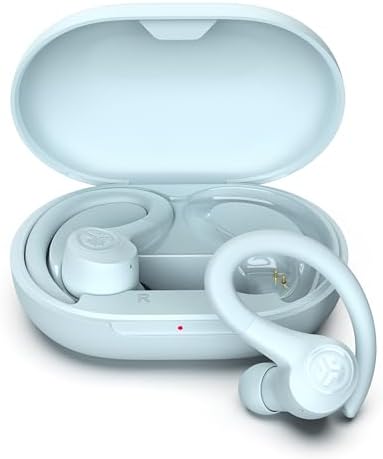
- 9+ Hours per earbud, 35+ Total Get 9+ Hours Per Earbud, Plus 26+ More From The Case With Its Built-In Usb Cable — No Ext…
- EQ3 Sound, C3 Clear Calling Choose JLab Signature, Balanced, Or Bass Boost Eq Modes To Match Your Music. C3 Clear Callin…
- Ergonomic Earhook, IP55 Rated The Ergonomic Earhook Is Sized To Fit Even The Smallest Ears, Staying Locked In During Run…
Is the Forerunner 70 a Good Running Watch for Women?
Yes, with some specific strengths worth calling out. The Forerunner 70 includes Garmin’s full women’s health suite: menstrual cycle tracking, ovulation estimates, and pregnancy tracking, all integrated with Body Battery so you can see how energy and recovery capacity shift across your cycle — useful context when deciding whether to schedule a harder training week.
At 43mm, the case sits comfortably on most women’s wrists without feeling oversized, and the silicone band is well suited to continuous, 24/7 wear. For runners wanting Garmin’s full training and health suite without a monthly subscription, the Forerunner 70 is one of the strongest entry points currently available.
Setting Up the Forerunner 70: A Quick-Start Guide
New to Garmin? Here’s the fastest path from unboxing to your first tracked run:
- Download Garmin Connect (iOS or Android) and create an account before powering on the watch.
- Pair via Bluetooth — the watch will walk you through this on first boot; expect the full process to take about 15–20 minutes including a firmware update.
- Set your run goal in Garmin Coach — choose 5K, 10K, half marathon, or marathon, enter your target date and weekly availability, and the plan builds automatically.
- Enable Quick Workout from the activity menu if you plan to run structured intervals or tempo sessions regularly.
- Turn on Body Battery and sleep tracking (on by default) and wear the watch to bed for at least three nights before checking your first HRV status trend — single-night readings are noisy.
- Calibrate distance on your first few runs against a known route or GPS reference to build confidence in your data before race day.
App Ecosystem and Compatibility
The Forerunner 70 works with both iOS and Android through the Garmin Connect app, which handles activity syncing, training plans, and health data. It also connects to third-party platforms including Strava, TrainingPeaks, and Komoot for runners who want their data to live in more than one place.
One common point of confusion: Garmin Connect does not sync natively with Apple Health or Google Fit for step and activity data. If you’re running with a partner on a different ecosystem — say, an Apple Watch — Strava is the most reliable bridge for comparing basic metrics like pace and distance across platforms.
Cost of Ownership: What You’re Really Paying Over Time
The $249.99 sticker price only tells part of the story. Unlike Fitbit, Whoop, or Oura, none of the Forerunner 70’s core features — sleep tracking, Body Battery, VO2 Max, Training Status, or Garmin Coach — require a subscription. There’s no recurring fee at all for the features covered in this review.
Realistic added costs to budget for:
- A replacement silicone band (roughly $15–25) if the stock band wears out after a year or two of daily use
- A USB-C charging cable — the Forerunner 70 uses a proprietary Garmin connector, so a spare cable (around $15–20) is a sensible backup
- Optionally, a chest strap like the Polar H10 (roughly $90) if you want lab-grade heart rate data for high-intensity interval sessions specifically
Compared to a subscription-based ecosystem charging $70–120 per year for equivalent recovery and training insights, the Forerunner 70’s all-inclusive approach represents genuine long-term value.
Common Complaints From Actual Buyers
After reading through user forums, retailer reviews, and independent GPS-analysis communities, five complaints come up repeatedly:
- Gen 4 HR sensor instead of Gen 5. The most frequent technical gripe. Some buyers feel Garmin should have used its newest sensor at this price. In practice, the real-world gap is small for most runners but does show up during hard intervals.
- The $50 premium over the Forerunner 55. The Forerunner 55 remains available under $200. Whether the extra $50 is worth it comes down to whether you value the AMOLED display and newer software platform — most runners who try both find it is.
- No timing-gate trimming for race results. A niche complaint from data-focused racers whose watch distance won’t perfectly match chip-timed results. This is expected of any consumer GPS device, not a Forerunner 70-specific flaw.
- Inconsistent auto-brightness. Some users find the automatic brightness adjustment too aggressive in certain lighting. This has also been reported on Garmin’s other AMOLED models since the Fenix 8 generation.
- Single-band GPS limitations for trail and urban runners. The most legitimate complaint. If you regularly run trails or dense city blocks, the dual-band Forerunner 265 is the more appropriate watch.
Recovery Equipment
Speed up post-run recovery with a massage gun to reduce muscle soreness and improve recovery time.
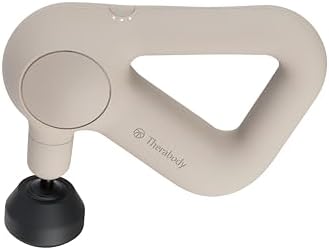
- Our Easiest-to-Use Massage Gun: Theragun Relief is a lightweight, comfortable massage gun designed to relieve aches and …
- Includes 3 high-quality, scientifically-designed attachments to target aches, pains, and tension all over the body: The …
- 3-speed muscle massager with ergonomic grip: With 3 speeds and simple one-button control, Theragun Relief is our easiest…
Garmin Forerunner 70 vs. Forerunner 55: Is the Extra $50 Worth It?
| Forerunner 55 | Forerunner 70 | |
|---|---|---|
| Price | ~$199.99 | $249.99 |
| Display | Transflective MIP | 1.2″ AMOLED |
| Heart Rate | Elevate Gen 3 | Elevate Gen 4 |
| Software Platform | Older Garmin | Fenix 8 / FR570 generation |
| Battery (Smartwatch) | Up to 20 days | Up to 13 days |
| Sport Profiles | 30+ | 50+ |
The Forerunner 55 actually beats the Forerunner 70 on raw battery life, thanks to its simpler always-on MIP display. But it lags significantly in screen quality, sensor accuracy, and training software depth. If budget is the deciding factor, the 55 remains a genuinely solid choice. If you can stretch to $250, the Forerunner 70’s display and software upgrades are worth the difference for most runners.
Garmin Forerunner 70 vs. Forerunner 165: What Actually Changed?
| Forerunner 165 | Forerunner 70 | |
|---|---|---|
| Price | $249.99 | $249.99 |
| Display | 1.2″ AMOLED | 1.2″ AMOLED |
| Battery (Smartwatch) | 11 days | 13 days |
| Battery (GPS) | 19 hours | 20 hours |
| Heart Rate | Elevate Gen 3 | Elevate Gen 4 |
| Satellites | GPS/GLONASS/Galileo | + BeiDou/QZSS |
| Software Platform | Older Garmin | Fenix 8 / FR570 generation |
| Quick Workout | No | Yes, exclusive |
| Sport Profiles | 30+ | 50+ |
| Weight | 39g | 40g |
Same price, meaningfully better sensor, newer software, and more sport profiles. If you’re buying new, choose the Forerunner 70 every time. If you already own a working 165, there’s no urgent need to upgrade yet.
Garmin Forerunner 70 vs. Forerunner 265: Is the Extra $100 Worth It?
| Forerunner 70 | Forerunner 265 | |
|---|---|---|
| Price | $249.99 | ~$349 |
| GPS Type | Single-band | Dual-band |
| Heart Rate | Elevate Gen 4 | Elevate Gen 4 |
| Training Readiness | Basic | Advanced |
| Barometric Altimeter | No | Yes |
| Display Size | 1.2″ | 1.3″ |
Pay the extra $100 for the Forerunner 265 if you run trails in tree cover, train in dense urban canyons regularly, want more advanced training readiness scoring, or need precise elevation data for hilly routes.
Stick with the Forerunner 70 if you run primarily on roads and well-marked paths, budget is a genuine constraint, or you’re a beginner who doesn’t yet need advanced analytics.
How Does It Compare to Non-Garmin Rivals?
Garmin isn’t the only option near $250–300. Two competitors are worth a direct mention:
Coros Pace 3 (~$229): Offers dual-frequency GPS at a lower price than Garmin’s dual-band models, plus genuinely excellent battery life. Its training software and app polish, however, remain less mature than Garmin Connect, and its third-party app ecosystem is thinner.
Amazfit Balance 2 (~$230): Competitive hardware specs and a built-in AI coaching feature, but Zepp’s software historically lags Garmin Connect in long-term training-trend analysis and race-day reliability, based on independent testing across multiple review cycles.
For runners who specifically want Garmin’s ecosystem — Garmin Coach, Garmin Connect, and long-term training-load tracking — the Forerunner 70 remains the strongest all-around option at this price, even where a rival wins on a single spec like GPS band count.
Full Specifications
| Spec | Details |
|---|---|
| Launch Date | May 15, 2026 |
| Price | $249.99 |
| Case Size | 43mm |
| Weight | 40g |
| Display | 1.2-inch AMOLED touchscreen |
| Battery (Smartwatch) | Up to 13 days |
| Battery (GPS) | Up to 20 hours |
| Heart Rate Sensor | Elevate Gen 4 |
| GPS | Multi-GNSS, single-frequency |
| Water Resistance | 5 ATM |
| Sport Profiles | 50+ |
| Garmin Pay | No |
| Music Storage | No |
| Offline Maps | No |
| Compatibility | iOS and Android |
| Charging | Proprietary USB-C cable |
Final Verdict
The Garmin Forerunner 70 is the most capable budget running watch Garmin has ever released. For $249.99, it delivers an AMOLED display, an 11–12 day real-world battery, a genuinely improved heart rate sensor, 50+ sport profiles, and the same core software platform found on watches costing $350–400 just a year earlier.
The trade-offs are real: no dual-band GPS, no offline maps, no on-wrist payment, and no music storage. But for the runner this watch was actually designed for — someone training seriously on roads and paths who wants structured feedback and freedom from nightly charging — none of those limitations get in the way in practice.
If you’ve been training with a basic fitness band, a phone app, or an aging watch that can’t keep up with your training plan, the Forerunner 70 is a well-built, honestly priced place to start taking your training seriously.
- Easy-to-use lightweight running smartwatch with built-in GPS for accurate pace and distance along with wrist-based heart…
- Up to 13 days of battery life in smartwatch mode and up to 23 hours in GPS mode for a more complete picture of your heal…
- Train for an event, achieve a milestone, or improve your fitness with personalized Garmin Coach training plans that adap…
Frequently Asked Questions
Is the Garmin Forerunner 70 good for someone who’s never owned a running watch?
Yes. Setup takes about 15–20 minutes, Garmin Connect is intuitive for first-time users, and Garmin Coach will generate a full training plan from day one without requiring any prior knowledge of structured training.
My running partner has an Apple Watch. Can we compare our stats?
Garmin Connect and Apple Health don’t sync directly, but connecting both watches to Strava lets you compare basic metrics like distance and pace.
I’m training for my first half marathon. Will this watch build me a training plan?
Yes. Garmin Coach includes adaptive half marathon plans — you input your goal race, current fitness, and weekly availability, and it adjusts the plan as your training progresses.
I currently use a Fitbit Charge 6. Is this a significant upgrade?
Yes. You gain accurate GPS, VO2 Max tracking, structured training plans, and Body Battery — moving from a health tracker to a genuine training tool.
I have smaller wrists. Will 43mm feel too big?
It’s on the larger side, but the flat, lightweight 40g design keeps it low-profile. Testing with wrist circumferences between 140–160mm found it generally comfortable; trying it in person or buying from a retailer with an easy return policy is a sensible precaution.
Sources
- Garmin official Forerunner 70 press release — official pricing, launch date, and specifications
- Garmin Elevate heart rate sensor technology overview — official sensor documentation
- Wrist-worn optical vs. chest strap heart rate accuracy study, PMC/NIH — peer-reviewed accuracy data across activity types
- Accuracy of commercially available heart rate monitors in athletes, PMC/NIH — peer-reviewed research on wrist HR accuracy during exercise
- Course measurement and GPS accuracy explainer, RaceDirectorsHQ — explains why GPS watches rarely match certified race distances
- Independent GPS accuracy comparison, Tom’s Guide — real-world race-day GPS drift testing
This article contains affiliate links. If you purchase through them, we may earn a small commission at no extra cost to you. This never influences our recommendations.